Hutong Home for the Elderly and the Children
后海胡同老人儿童之家
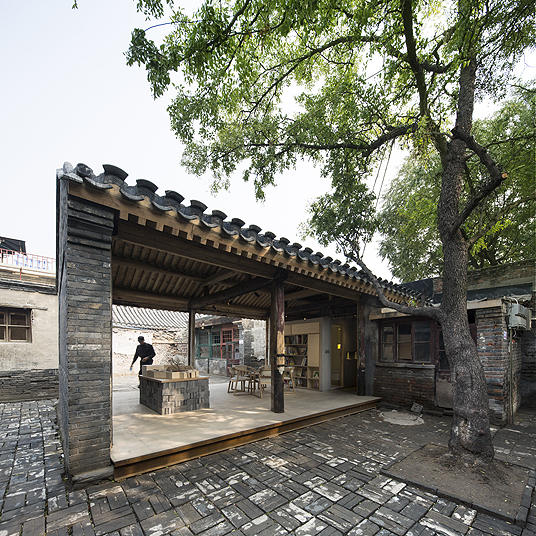
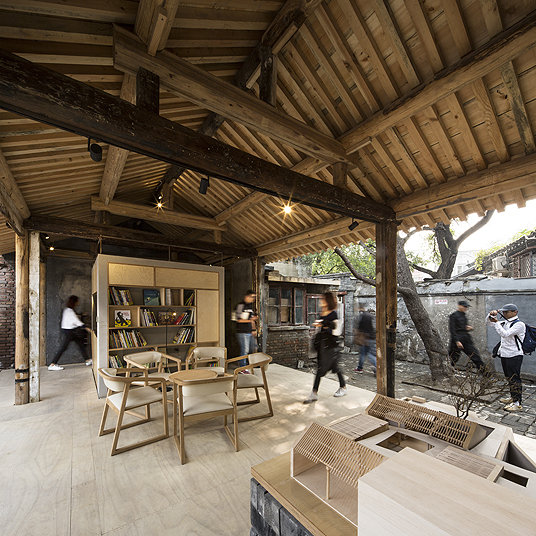
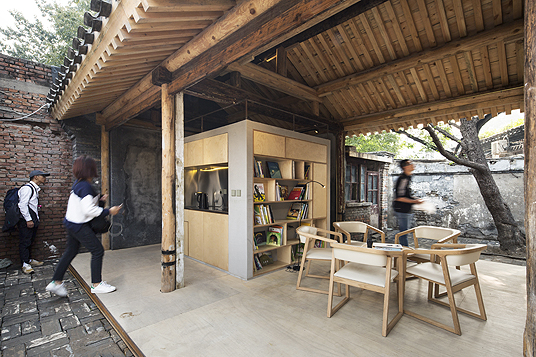
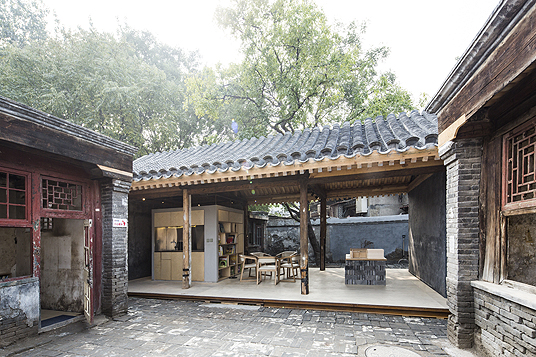
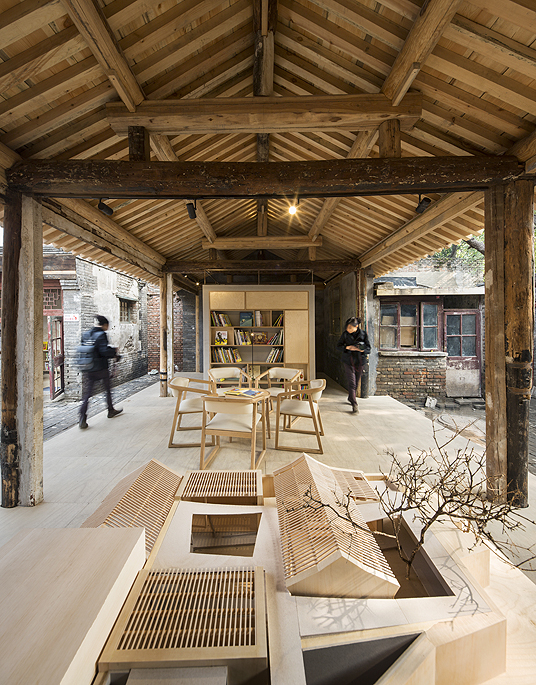
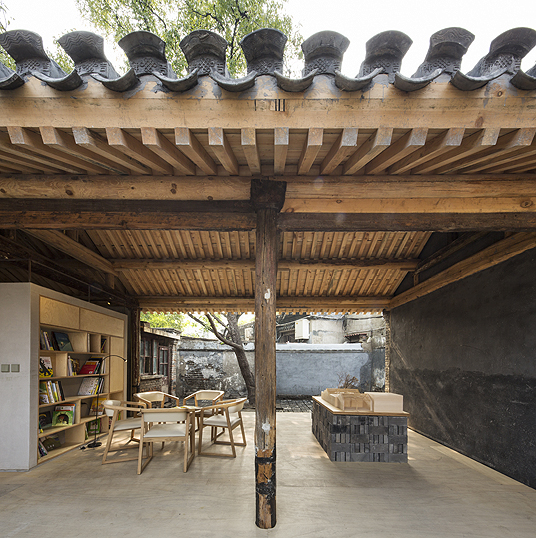
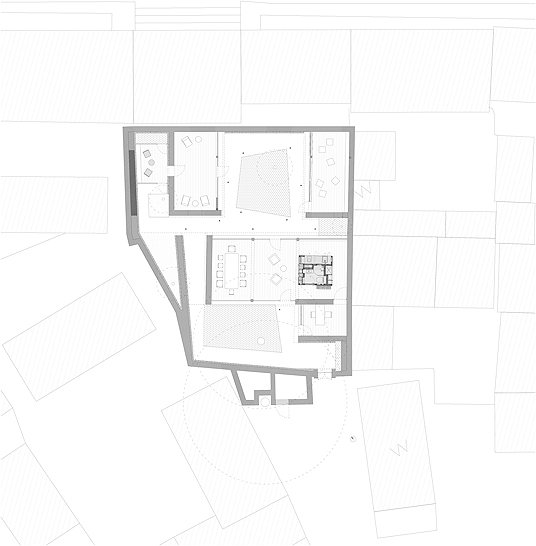
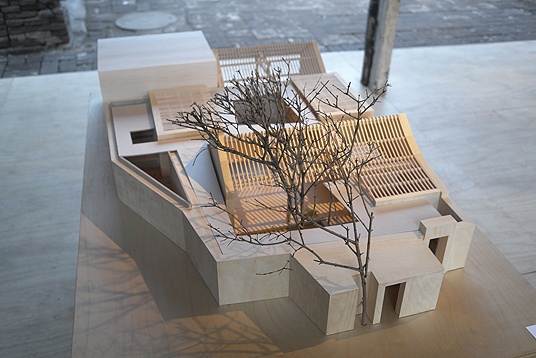
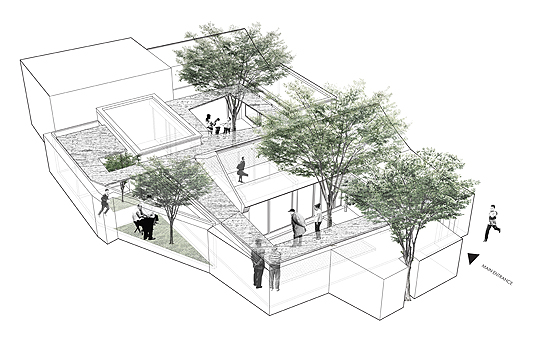
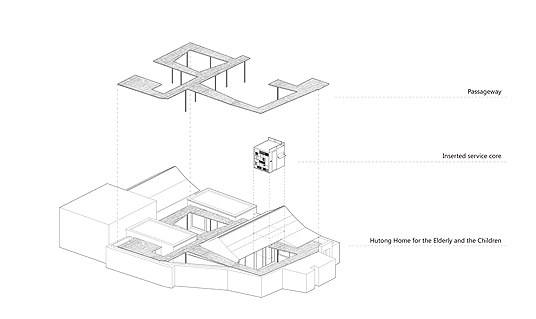
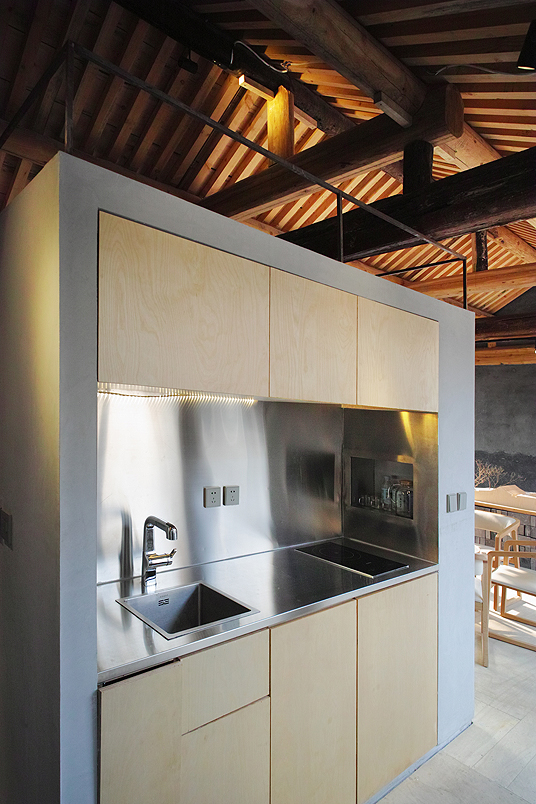
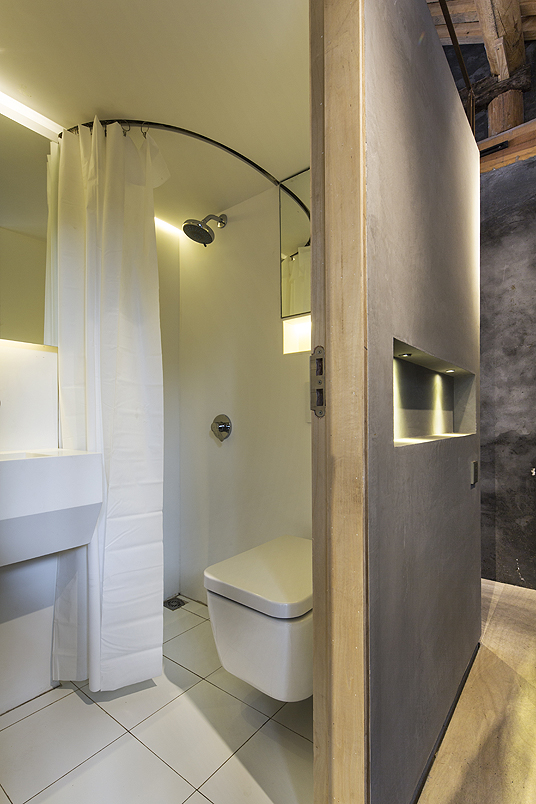
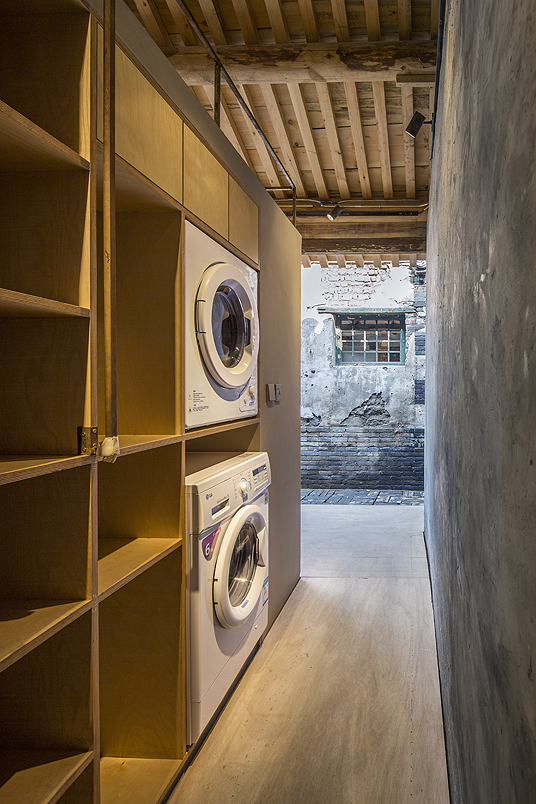
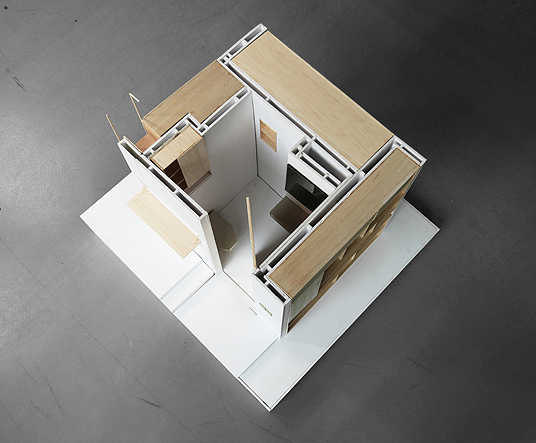
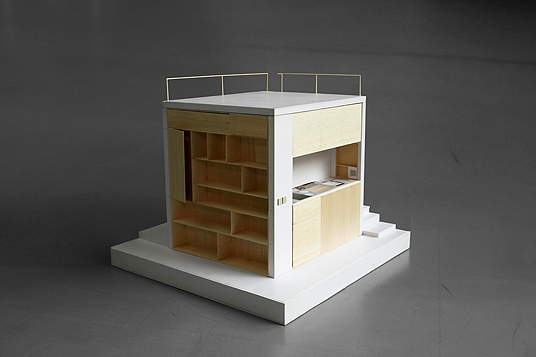
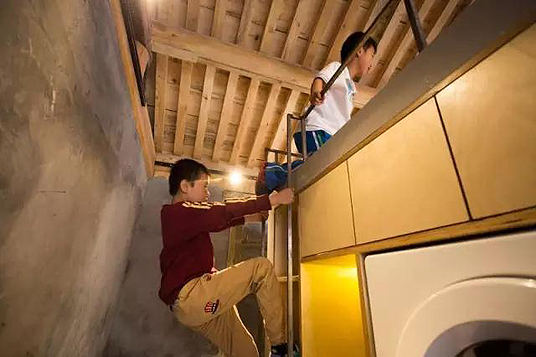
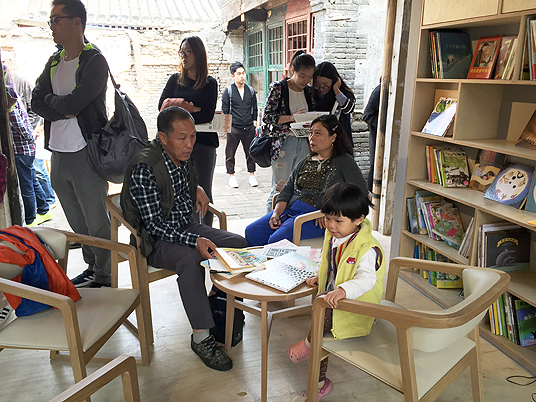
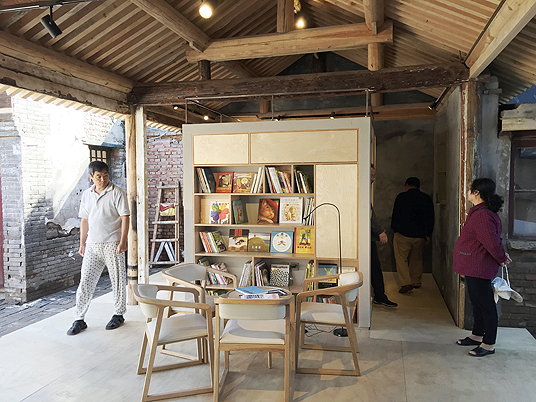
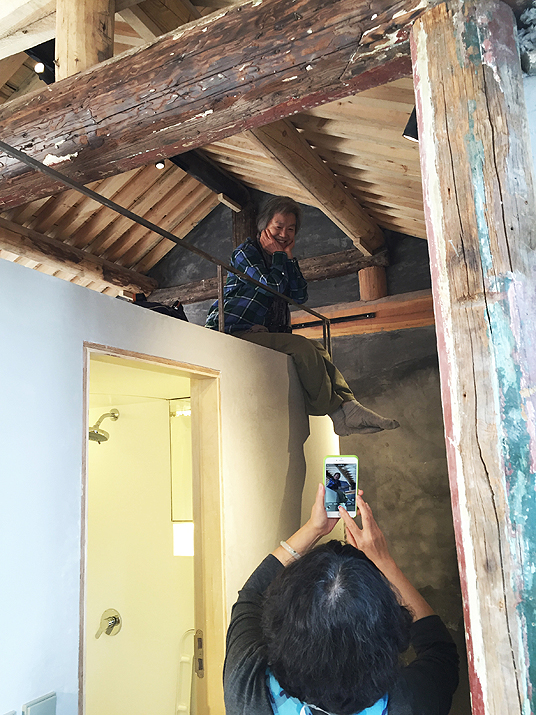
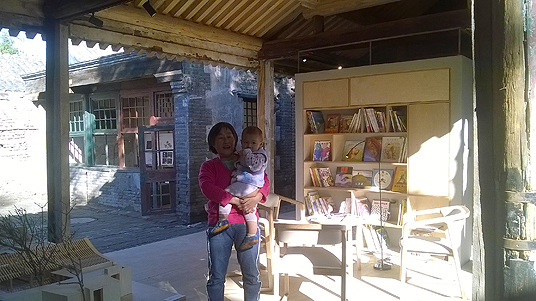
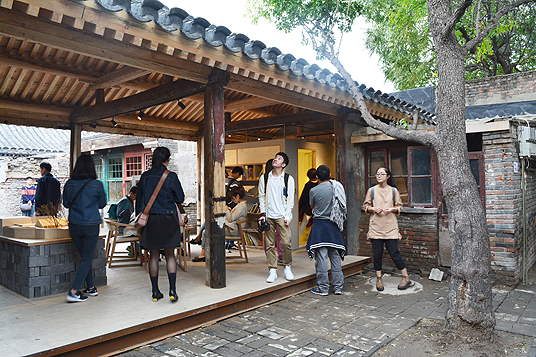
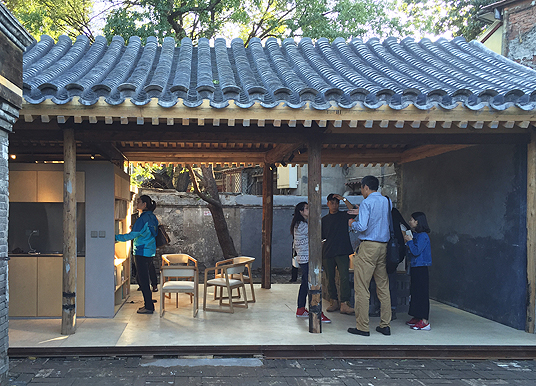
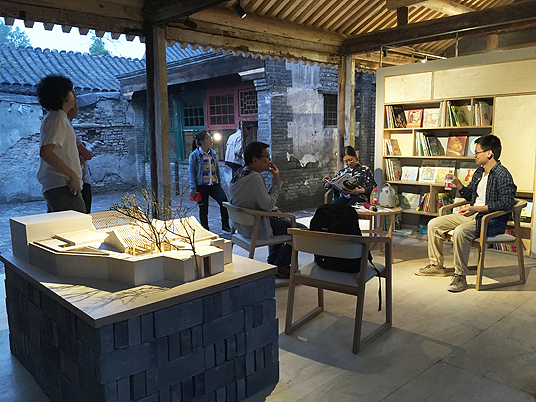
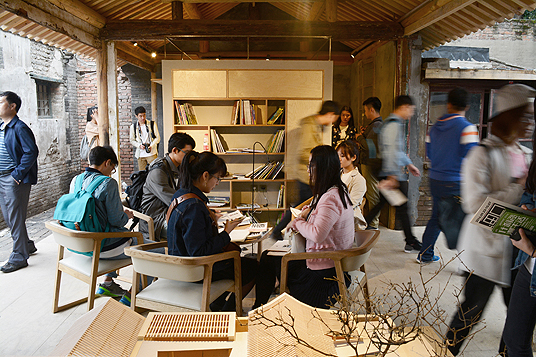
The project explores new possibilities of transforming a Dazayuan, in order to preserve and improve the conditions of the messy courtyard. The aim is to establish a public facility for the local inhabitants of HouHai, a communal accessible space desperately needed by the neighbourhood. This aim is approached in the project by two means, by applying a compacted infrastructure system indoor (i.e. freestanding service core), in order to provide services to the local people. The modular system contains a toilet, kitchen, washing machine and a small library and it could be reproduced and inserted into many other traditional hutong housing projects. The project and the exhibition carried out during the Beijing Design Week became the means to test the service core in a specific location of the proposed community house for the elderly and the young. The aim of the design is also to insert a covered linkage into the courtyard, to establish the interaction between the local inhabitants of the HouHai area.
这是一个关于“大杂院”新可能性的讨论。关于胡同的实际需求,关于社区的潜在可能。项目为周边社区建立了一个极被需要的公共交流空间。在室内,我们置入一个集约型的基础设施系统(即独立的服务核心);庭院中,我们再提高原有条件的基础上增加了连廊。这个包含了洗手间,厨房,洗衣机和小型图书馆等功能的室内功能模块自成体系,可被植入更多胡同项目,试图回应大杂院一直以来存在的生活问题。 北京设计周中,力图创造胡同老人儿童之家的金奖七号胡同项目成为功能模块的先行实验点之一。展览展现了一个大杂院是如何向公共场所转变,成为老人与儿童之家。